

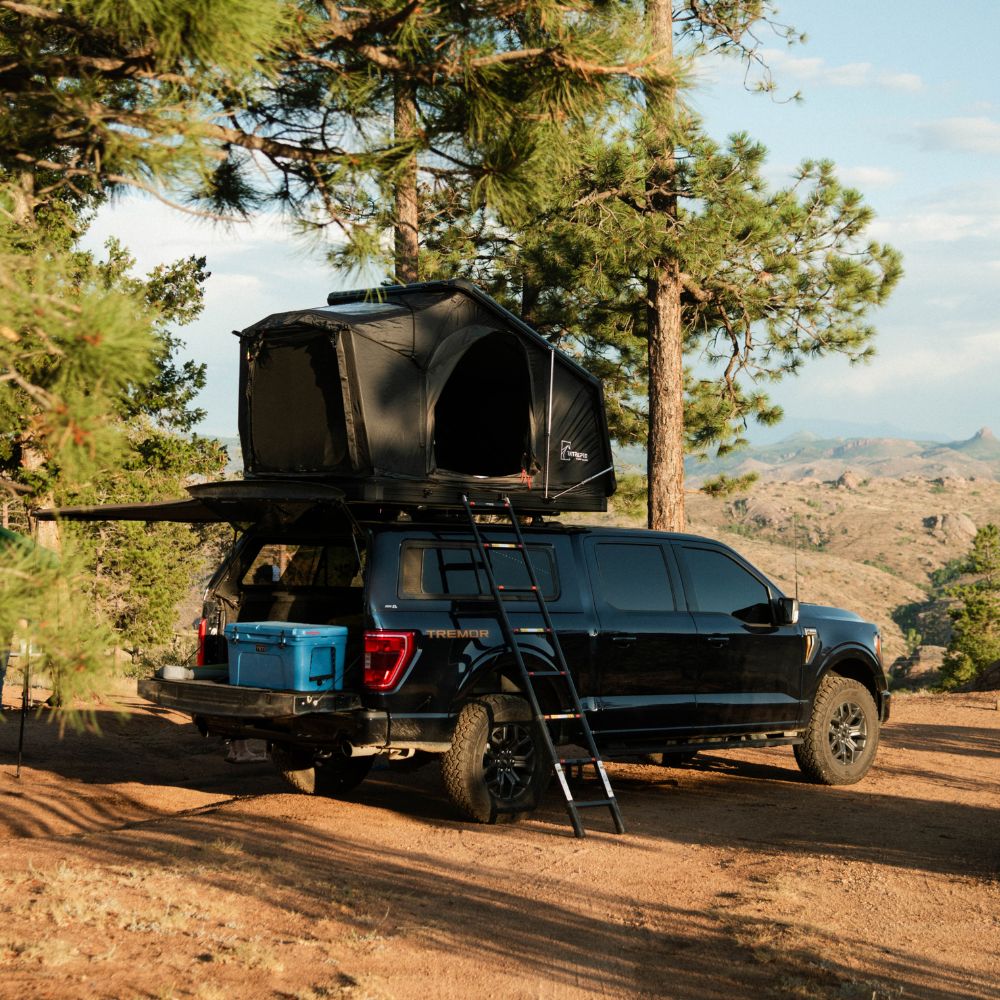
Preparing a vehicle for off-grid travel requires optimizing every inch of cargo space. In this context, a roof rack system serves as essential mounting infrastructure, freeing up cabin space and expanding your vehicle's cargo architecture. So, what is a roof rack, what structural configurations exist, and which setup aligns with your vehicle's demands? Understanding their mechanical differences and load limits is key to building a field-ready rig.
What is a roof rack?
A roof rack is an engineered, load-bearing structural framework anchored to a vehicle’s roof. Designed to expand cargo architecture beyond cabin limitations, it safely distributes dynamic and static loads across the vehicle's structural pillars.

Vehicle space optimization with roof racks
For overlanding and off-grid expeditions, a roof rack serves as core mounting infrastructure, engineered to secure heavy, high-volume gear including:
-
Rooftop Tents: Hard-shell and soft-shell expedition setups.
-
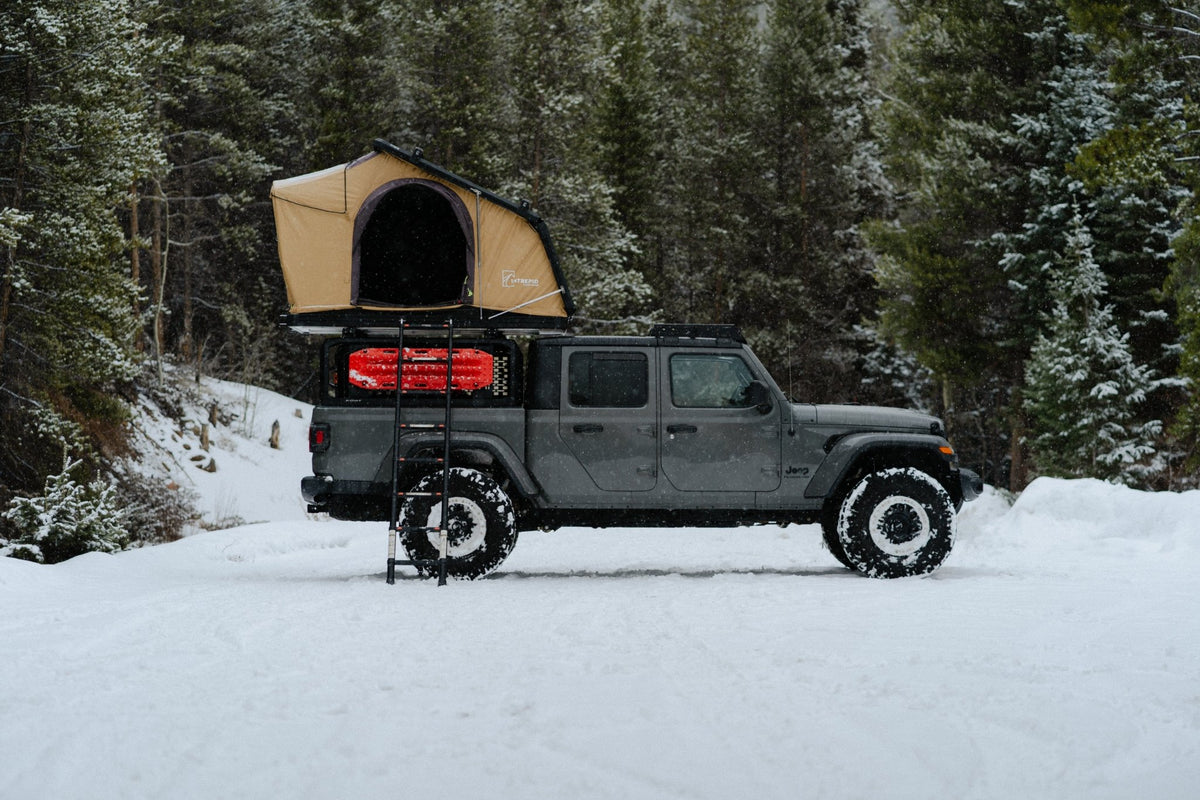
Overlanding Recovery Gear: MaxTrax, jerry cans, axes and high-lift jacks.
-
Protected Storage: Weather-sealed, dust-proof cargo cases.
-
Adventure Sports: Kayaks, canoes and mountain bikes.
How many types of roof racks?
When expanding a vehicle's cargo architecture, roof rack systems fundamentally divide into two core structural categories: Crossbars and Platform Racks.
Platform Racks
Platform racks represent the heavy-duty, maximum-surface-area solution in expedition cargo architecture. Engineered with flat, extruded aluminum profiles and integrated T-slot channels, these modular tray systems deliver superior structural rigidity and multi-axis mounting capability. For full-size SUVs, trucks, and off-grid rigs, platforms serve as essential infrastructure to distribute heavy payloads - from recovery tracks and jerry cans to weather-sealed cargo cases - safely across the vehicle's frame.

Platform rack setup for ultimate rooftop stability
The core mechanical advantage of a platform lies in its adaptability for oversized equipment, providing a broad load-bearing plane that simplifies mounting high-static-load items like hard-shell rooftop tents. However, this heavy-duty construction increases overall vehicle weight and frontal drag, impacting fuel efficiency and dynamics. Requiring precise alignment to structural roof points, platform racks are specialized investments tailored for heavy-payload expeditions rather than light crossovers.
Crossbars
Crossbars serve as the baseline, low-profile configuration in vehicle cargo architecture, providing perpendicular load-bearing points for specialized mounts such as bike carriers, ski racks, and cargo boxes. Designed to minimize frontal drag and weight, they maintain optimal aerodynamic efficiency and fuel economy, making them an ideal, accessible option for crossovers and mid-sized SUVs requiring moderate gear capacity.

Versatile crossbars for easy gear mounting
However, crossbars present clear mechanical constraints when deploying heavy, high-volume or non-standard expedition gear. Lacking the continuous surface area and multi-axis tie-down channels of a platform rack, they offer limited load distribution. For off-grid travel involving heavy payloads like hard-shell rooftop tents or full recovery setups, crossbars necessitate strict weight management and strategic equipment placement.
How do roof racks work?
At its core, a roof rack functions as a secondary structural skeleton that transfers exterior cargo weight directly into the vehicle’s primary load-bearing architecture - specifically the A, B and C/D pillars. By anchoring to factory roof tracks, fixed points, or rain gutters, the rack’s cross-members distribute both static loads and dynamic forces evenly across the vehicle frame, preventing roof panel flex and structural deformation.

GEO 2.5 Pro rooftop tent on roof rack
Mechanically, roof racks utilize high-tensile extruded aluminum profiles with continuous T-slot tracks, providing multi-axis anchor points to slide, position, and securely clamp heavy recovery gear, liquid storage, or cargo cases without compromising frame integrity. Additionally, integrated front wind fairings and low-profile cross-sections manage aerodynamic shear, streamlining airflow over the cab to eliminate structural vibration, reduce wind noise and preserve overall fuel efficiency at highway speeds.
How to find the best roof rack for your car?
When engineering the ideal load-bearing setup for your vehicle, selection requires a rigorous evaluation of your factory roof architecture, expedition footprint and payload demands.
-
Vehicle Architecture: Heavy-duty platform racks are engineered for full-size SUVs and trucks tackling high-volume overlanding and intensive off-grid expeditions, where multi-axis force distribution is mandatory for bulky gear like roof-top tents or water systems. Conversely, modular crossbars are optimized for crossovers and weekend rigs requiring a streamlined, single-axis setup for lighter, linear sports equipment.
-
Load Ratings: You must strictly align your gear mass with certified system thresholds, accounting for transit inertia versus stationary mass to prevent structural failure..
-
Investment: Robust platform systems demand a higher initial financial commitment for multi-axis versatility, whereas modular crossbars offer a cost-effective, low-maintenance solution for streamlined payloads.
Ultimately, understanding what is a roof rack goes beyond selecting a simple accessory - it is about establishing a reliable structural foundation for your vehicle's payload. By accurately evaluating your factory roof architecture, aligning payload mass with certified dynamic and static ratings, and matching system geometry to your off-grid demands, you ensure absolute structural integrity. Equip your rig with Intrepid Camp Gear precision-engineered infrastructure, load up with confidence and conquer any frontier.


Share: