

Late summer changes the way we fish Colorado.
The days are long, the high country is still accessible, and some of Colorado's most popular trout rivers start to warm as flows drop and temperatures climb. For anyone planning a late summer fly fishing trip in Colorado, knowing where to fish, and when to leave a river alone, matters just as much as knowing what fly to tie on.
At Intrepid, we spend a lot of time outside. Hunting, fishing, camping, and exploring are part of why we build the gear we do. We believe good equipment should make those experiences easier, but spending time outdoors also means understanding the conditions and respecting the places and wildlife that make those experiences possible.
If you're planning a Colorado fly fishing trip in late summer, these are a few places we'd consider.
Know When to Leave the River
Before getting into the fishing spots, start with the water.
Trout are cold water fish, and warm water can put significant stress on them. Colorado Parks and Wildlife recommends moving to another location when water temperatures reach 70°F or higher. At 71°F and above, cold water species are less likely to recover after being caught and released.
That makes a small water thermometer one of the most useful pieces of gear you can carry during late summer trout fishing.
Check the temperature before you start fishing. If the water is too warm, don't push it. Move higher, find colder water, or change what you're targeting. CPW also recommends fishing earlier in the day and looking toward higher elevations when temperatures rise.
It's a simple habit that helps protect the trout populations we're out there to enjoy.
The South Platte, Know the Hoot Owl Regulars
The South Platte is one of Colorado's most well known trout fisheries, and for good reason. It also gets a lot of pressure.
Popular stretches of the South Platte and North Platte see plenty of anglers throughout the season. The trout know it, too. CPW describes the trout in Eleven Mile Canyon as highly experienced with anglers and capable of distinguishing artificial flies from real prey.
That's part of what makes these rivers challenging, and part of what makes late summer a good time to consider fishing somewhere different.
As temperatures climb, some lower elevation stretches become less favorable for trout. Rather than forcing a day on familiar water, we'd take that as a reason to explore higher elevations.
There are plenty of fishable miles in Colorado that don't require you to stand shoulder to shoulder with the same fish everyone else has been chasing.
Go Higher
One of the best parts of fly fishing in Colorado is how quickly the landscape changes when you gain elevation.
When lower elevation streams are looking less than favorable, high alpine lakes and smaller streams can offer cooler water and a completely different fishing experience. Colorado Parks and Wildlife also recommends exploring alpine lakes and streams when drought and warm water conditions affect lower elevation fisheries.
The fishing might require more hiking. The road might end sooner than you'd like. That's part of the appeal.
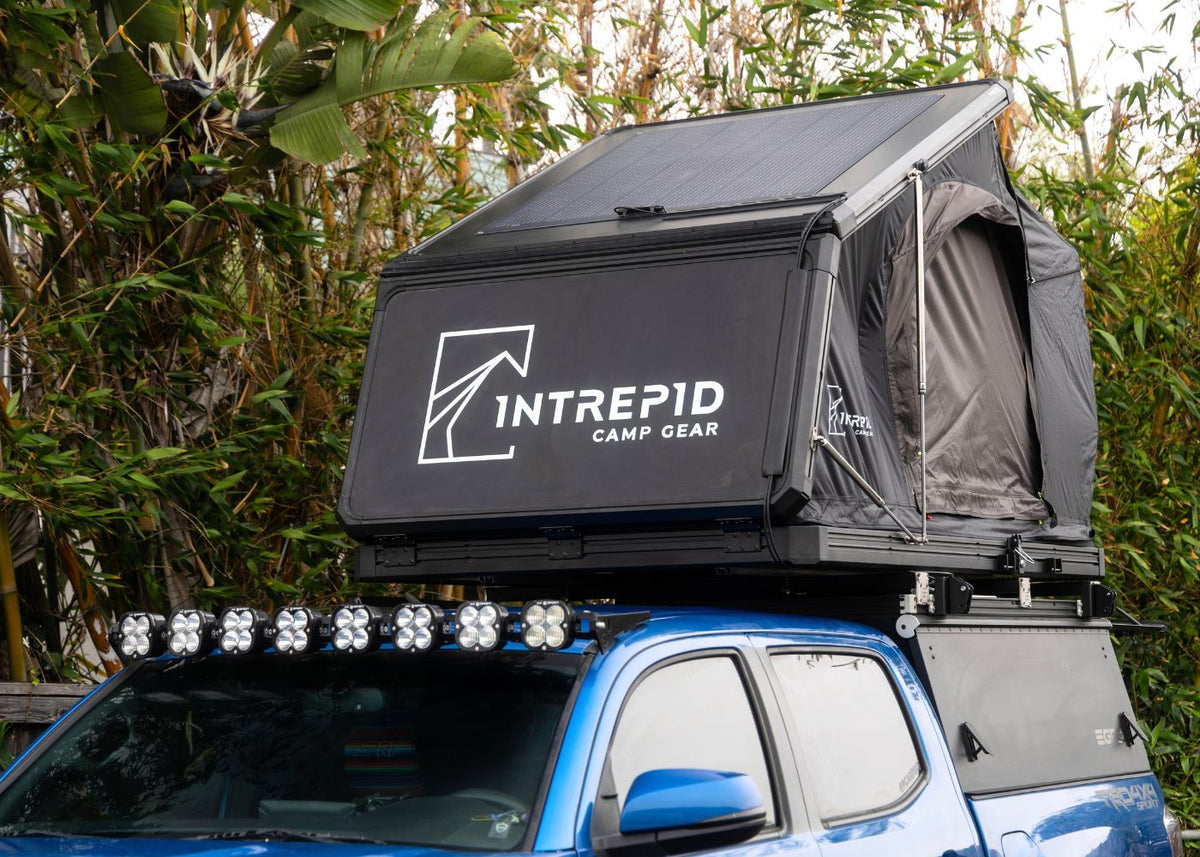
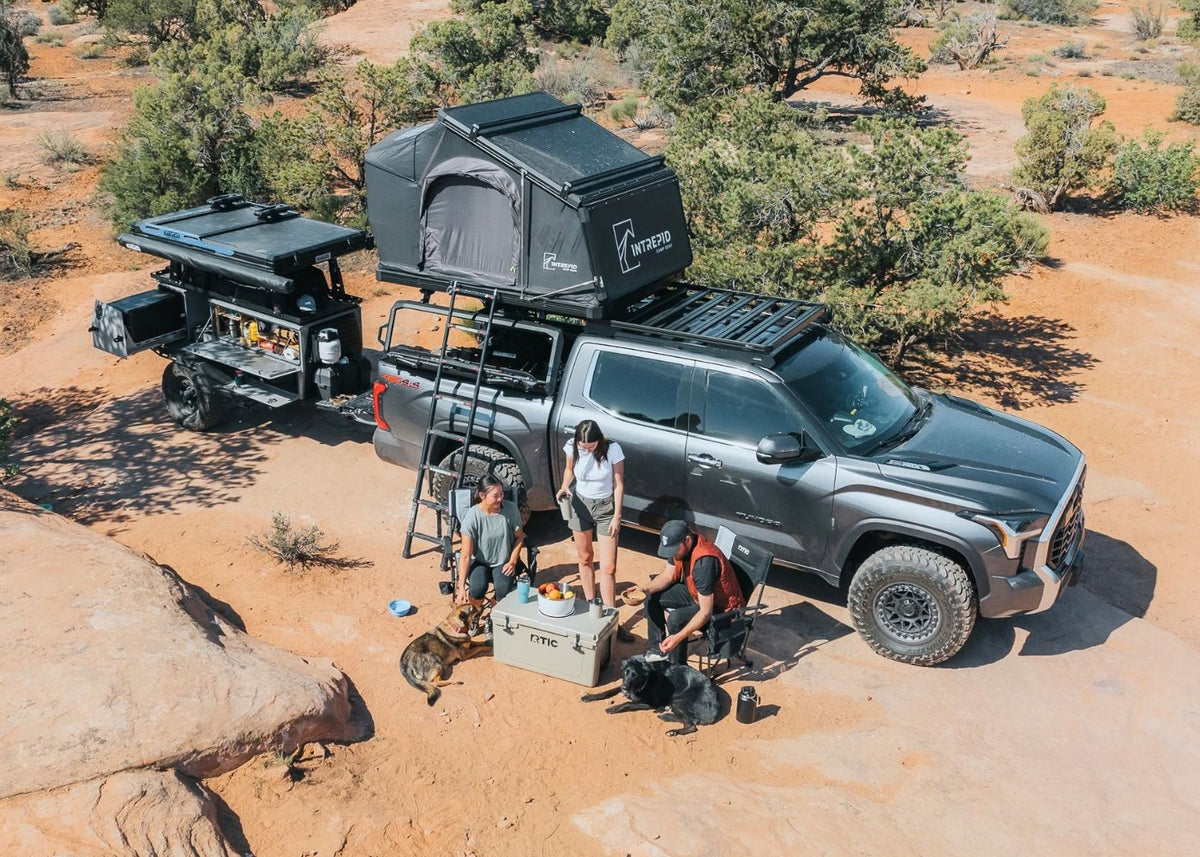
Pack the rod. Throw the tent on the truck. Head toward higher country.
Sometimes the best fishing spot is simply the one that requires a little more effort to reach.
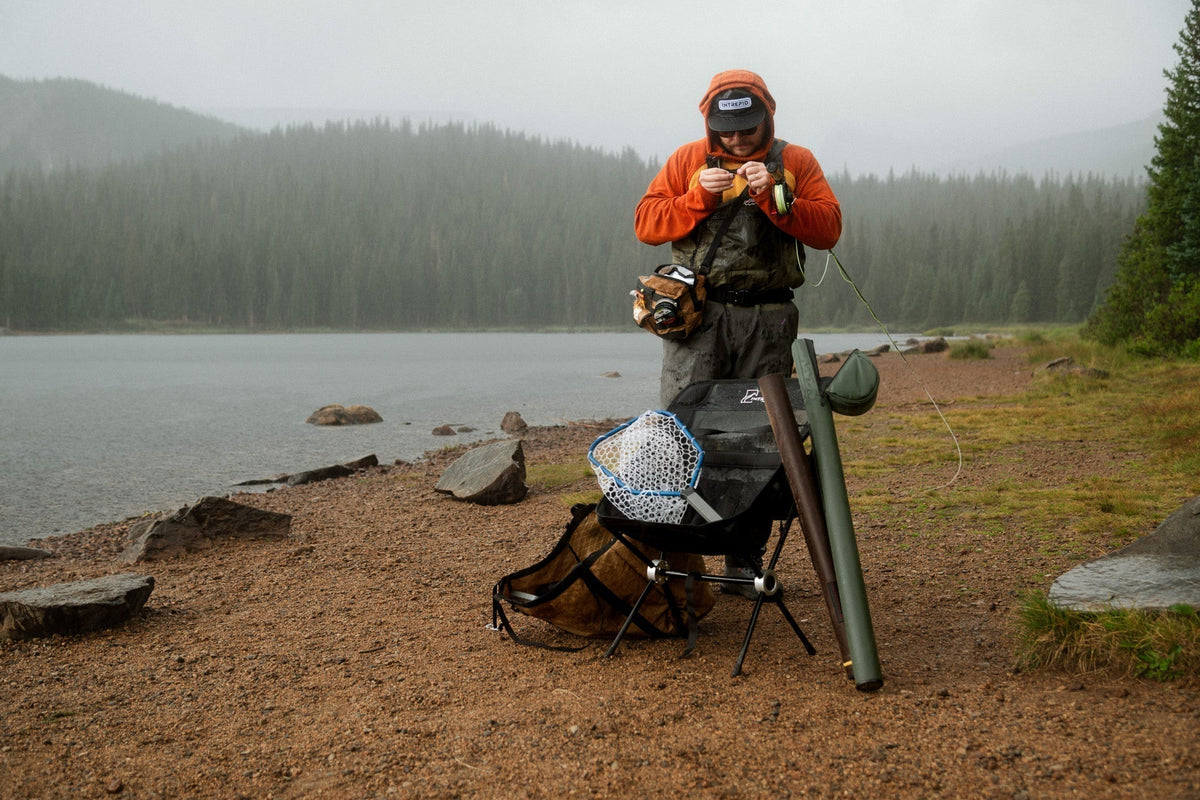
Brainard Lake
If you want to get out of Denver or Boulder without committing to a full backcountry mission, Brainard Lake is an easy place to start.
It's close enough to make a day trip practical, but far enough from the city to feel like you've actually left it behind. We spent a day there recently and caught one of those Colorado storms that rolls through the mountains and changes the entire landscape in minutes.
That's part of what makes the area worth visiting beyond the fishing itself.
The high country around Brainard gives you the opportunity to combine a day on the water with a night outside. For anyone looking for accessible Colorado fly fishing near Boulder or Denver, it's a good place to start exploring higher elevations.
As always, check current conditions, access, closures, and fishing regulations before heading out.
A Better Place to Sit
A day of fly fishing usually means plenty of time on your feet. When it's time to stop for lunch, tie on a new fly, or wait out an afternoon storm, having a comfortable place to sit makes a difference.
The TXC1 Camp Chair is built for those moments. It's compact enough to bring along without taking over your vehicle, but comfortable enough to keep at camp after a long day on the water.
It's the kind of piece of gear that earns its place because you actually use it.
Smaller Rivers and Lakes Near Rocky Mountain National Park
When lower elevation streams are looking less than favorable, we'd also look toward the smaller rivers and lakes in and around Rocky Mountain National Park.
Smaller waters can offer a different experience from the larger, more heavily pressured rivers. They also give you another reason to move higher when late summer temperatures start making lower elevation trout fishing less favorable.
The goal isn't to find one perfect river and fish it no matter what.
It's to understand the conditions and move with them.
Check the water temperature before fishing. If conditions aren't right for trout, find colder water or save the rod for another day.
There will always be another river.
Fish the Conditions, Not the Calendar
Late summer doesn't mean the end of Colorado trout fishing.
It means changing how you approach it.
Fish early. Go higher. Check the water temperature. Pay attention to flows and current conditions. And if a river isn't healthy for trout, don't fish it just because you drove two hours to get there.
That's part of being a responsible angler.
At Intrepid, we care about hunting and fishing because those activities keep us connected to the places we're building our gear for. We spend time in these landscapes, and we want them to remain healthy enough to come back to.
The goal isn't to catch every fish.
It's to have enough good days outside that you keep coming back.
A Few Things to Check Before You Go
Colorado conditions can change quickly, especially in late summer. Before heading out for a day of fly fishing, check:
-
Water temperatures before you start fishing.
-
Current fishing regulations and closures.
-
Stream flows and recent conditions.
-
Access and parking requirements.
-
Whether the water you're planning to fish is appropriate for trout in the current conditions.
-
Weather and afternoon storm conditions.
If water temperatures reach 70°F or higher, move to another location rather than targeting trout. Fish earlier in the day when temperatures are cooler, and consider higher elevation water when lower rivers begin to warm.
Keep fish submerged when removing the hook and release them quickly. When conditions are stressful, skip the unnecessary photos and get the fish back in the water.
Colorado gives you plenty of options. You don't have to force one river to produce.
Sometimes the better fishing decision is simply driving a little farther up the mountain.
When in Doubt, Go for Warm Water Species
Colorado has plenty of great warm water species, including bass and carp, that can make for a productive day on the water when trout streams start to warm up.
There are also plenty of places close to Denver where you can target these species without putting cold water trout through unnecessary stress. Bass, carp, and other warm water species can give you an option when you still have the itch to get out and fish on a hot summer day.
When conditions aren't right for trout, change the target instead of pushing the water. There is always another way to spend a day on the water.


Share: