

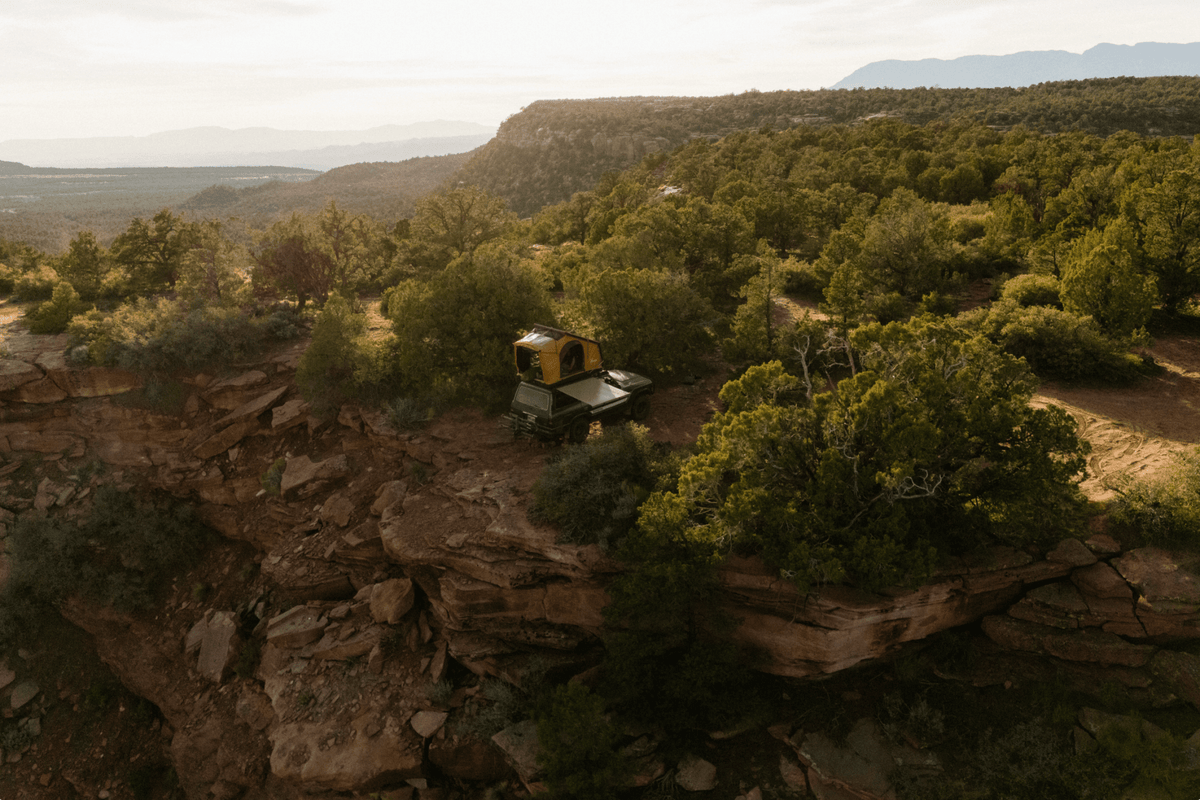
Vehicle-based travel expands where you can go, but poor planning quickly introduces friction on the road. Knowing how to plan a road trip isn't about building rigid, minute-by-minute itineraries - it’s about establishing an adaptable framework that handles changing weather, trail conditions and route detours. When your vehicle platform and camp routine are prepped for real-world variables, you spend less time managing logistics and more time enjoying the drive.
Step 1: Establish the Route Objective
Before plotting waypoints, clarify the primary terrain and environment for your trip. Overplanning a minute-by-minute schedule creates unnecessary friction on the road. Weather shifts, trail conditions change and the best campsites are often discovered in real time.

Keep your route flexible with anchor destinations
Start by choosing the environment your vehicle setup is prepared for:
-
Coastal Corridors: Exposed routes with high winds, salt air and regulated coastal campsites.
-
Alpine Passes: High-elevation terrain requiring cold-weather gear, steep climbs and changing mountain conditions.
-
Desert Backroads: Remote, arid tracks demanding extra water capacity, tire pressure management and off-grid self-reliance.
A field-tested approach relies on Anchor Waypoints - two or three primary targets, such as a specific trail system, national forest district or landmark. Leave the miles between them open. This structure gives you the flexibility to adapt to conditions, stay an extra night when a campsite delivers and avoid rushing through the drive just to hit an arbitrary deadline.
Step 2: The Field-Tested Budget Method
Road trips get expensive when variable costs aren’t accounted for, but rigid spreadsheets miss how vehicle-based travel actually works. A practical approach calculates fixed vehicle and camp costs first, then adds a 20 - 25% buffer for changing route conditions.

Budget for vehicle travel with a real-world buffer
Core fixed expenses break down into three primary pillars:
-
Fuel & Vehicle Maintenance: Calculated mileage based on vehicle weight and terrain, plus toll roads and fluid top-offs.
-
Campsite & Land Access Fees: A balance of free dispersed camping on public land and paid sites (KOA) when amenities or hookups are needed.
-
Provisions & Camp Kitchen: Bulk provisions for the cooler, stove fuel and scheduled stops for local meals along the route.
The contingency buffer absorbs real-world variables - unplanned trail detours, extra fuel for low-range gear use or an unexpected night at a paid campsite when weather shifts. Balancing off-grid boondocking with established camp stops keeps costs predictable while keeping you on the road longer.
Step 3: Map the Primary Corridor
A functional route map provides structural orientation without restricting real-time decisions. Vehicle-based travel relies on a flexible corridor rather than a rigid mile-by-mile track. When cell service drops, field-tested navigation relies on pre-downloaded offline maps, specialized terrain apps (like Gaia GPS or OnX Offroad) and local land management updates.

Keep your route flexible with daylight margins
To maintain a sustainable pace on extended trips, apply these operational guidelines:
-
Cap Daily Seat Time: Limit driving to four to six hours per day. Terrain driving consumes more energy and time than highway mileage.
-
Build in Daylight Margins: Arrive at your intended search zone with enough daylight to locate a site, level the vehicle and deploy camp.
-
Maintain Route Flexibility: Allow weather, trail conditions and crowd levels at campsites to dictate minor detours.
Removing rigid deadlines changes the dynamic of the drive. When you aren't rushing to reach a distant location before dark, you retain the flexibility to explore a secondary trail, adjust to changing weather or stay an extra night when a campsite delivers.
Step 4: Vehicle Readiness & Modular Storage
Your vehicle platform is the foundation of your camp setup. Ensuring mechanical reliability before pavement ends eliminates predictable failures off-grid. Thorough inspection of tire pressure, fluid levels, brake wear, and recovery gear keeps you moving when help is miles away.

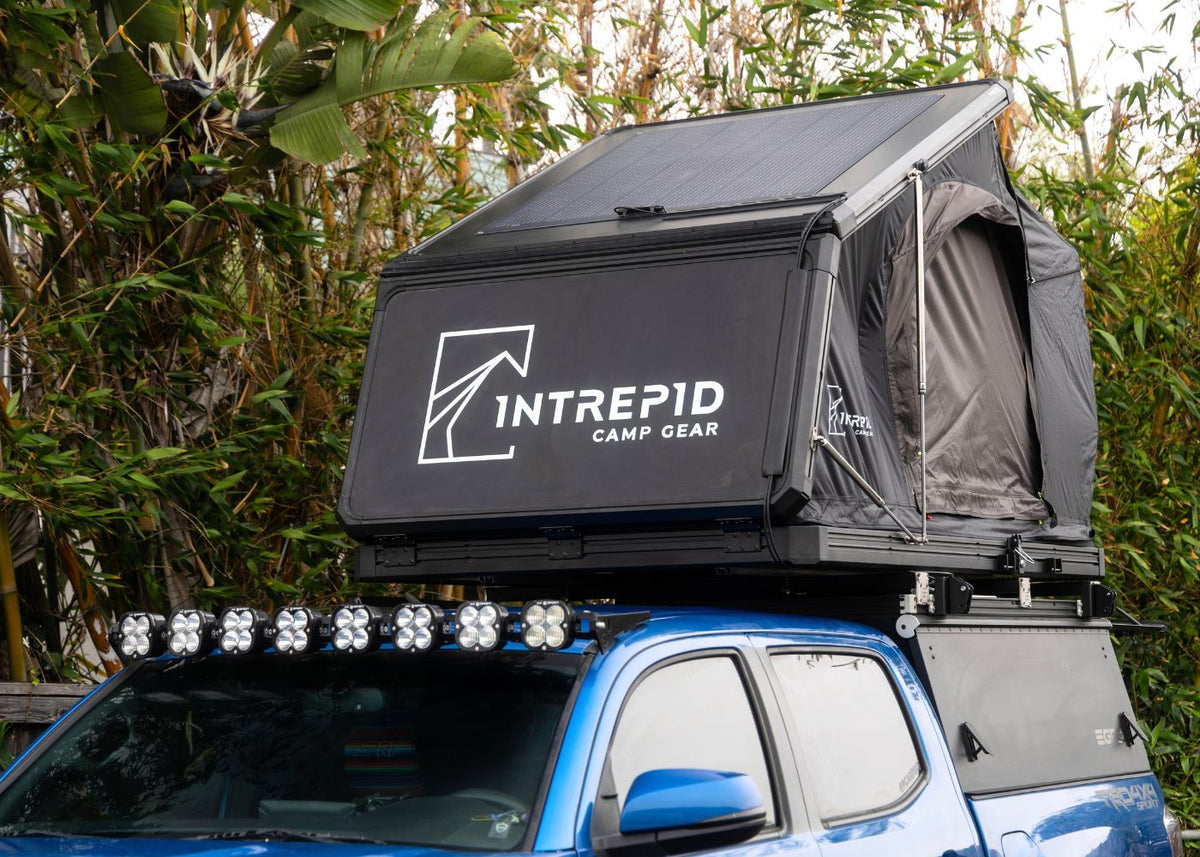
GEO 2.5 Rooftop Tent
Essential vehicle preparation includes:
-
Field Recovery Kit: Recovery straps, traction boards, a high-accuracy tire deflator/inflator and a jump starter.
-
Trailside Tool Set: Basic mechanical hand tools, spare fluids, tire repair kit, and heavy-duty fuses.
-
Modular Storage Cases: Weatherproof, dustproof hard cases organized by system (camp kitchen, recovery, medical, apparel).
-
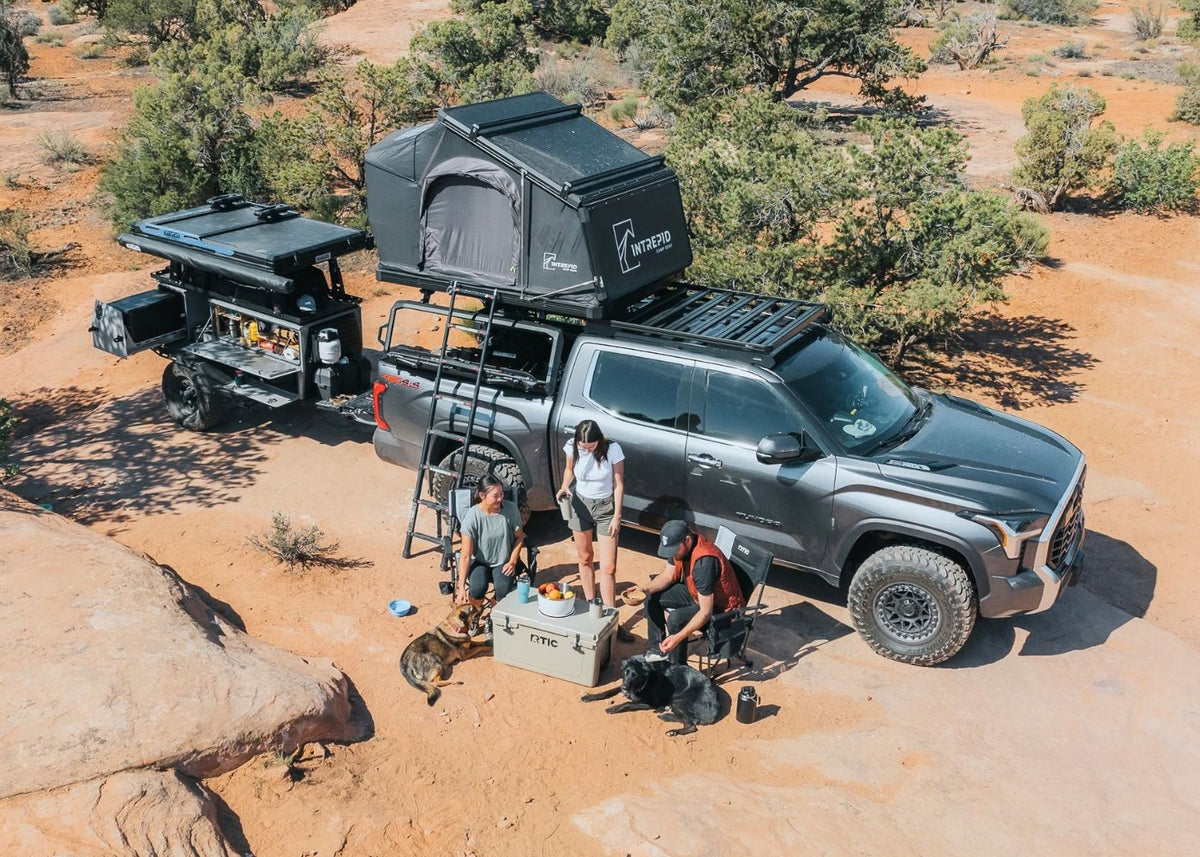
Rooftop Tent: A premium rooftop tent system that deploys in under 60 seconds, keeping bedding clean and freeing up interior cab space.
A disciplined packing strategy relies on heavy-duty cargo cases secured to bed racks or interior tie-downs. Protecting gear from heavy dust, rain and prolonged trail vibration ensures your equipment functions when you reach camp.
Step 5: Adaptability Over Rigid Plans
The value of vehicle-based travel is the capacity to adapt when conditions shift. When you carry your shelter and provisions on your platform, a closed trail or changing weather pattern isn't a ruined trip - it's simply a route change.

Adapt to trail closures and changing weather
Field conditions regularly test your setup:
-
Trail Closures & Land Washouts: Requiring real-time rerouting via terrain maps.
-
Rapid Weather Shifts: High winds or sudden temperature drops that force early camp deployment.
-
Unplanned Extended Stays: Finding a remote site worth staying an extra night.
System friction is what turns route changes into stress. When pitching camp takes an hour or packing up in the rain is an ordeal, changing plans becomes exhausting. When your gear is built for fast deployment and changing elements, you spend less time managing camp and more time staying out. The right setup doesn't just simplify the trip - it gives you the confidence to stay as long as you want.
Mastering how to plan a road trip comes down to removing friction before pavement ends. Intrepid Camp Gear builds field-tested rooftop tents and integrated camp systems designed to simplify deployment, withstand changing trail weather and free up interior space - shifting your focus from managing gear to gaining the confidence to stay out longer.

Share: