

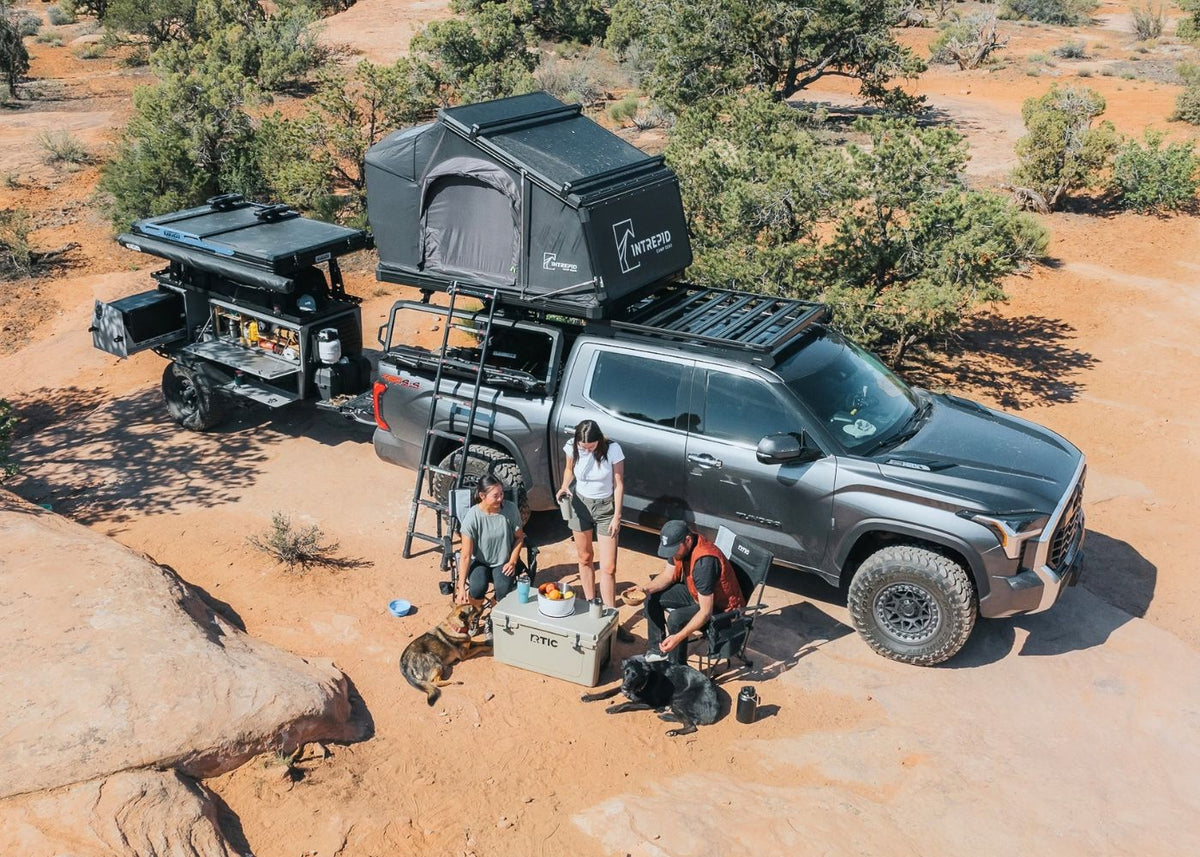
The Ford F-150 can move from weekday work to weekend travel without asking its owner to choose between utility and adventure. A properly planned rooftop tent setup builds on that versatility by adding a dedicated sleeping platform while keeping the truck bed available for tools, camp equipment, coolers, bikes, or recovery gear.
The best truck tent for an F-150 is not simply the largest tent that fits above the cab or bed. The strongest setup is built as a complete system. Start with how the truck needs to work day to day, choose the mounting location and rack, confirm every relevant rating and dimension, and then select an Intrepid Camp Gear tent sized for the people who actually join most trips.
Can You Put a Roof Top Tent on a Ford F-150?
Yes. A rooftop tent can be installed on a Ford F-150 when it is paired with a compatible, appropriately rated rack and the complete installation follows the relevant vehicle, rack, and tent requirements. Pickup owners often mount rooftop tents above the bed, but some configurations may use a cab-mounted system. The correct solution depends on the exact truck, rack, tent, and intended use.
Roof-Mounted vs. Truck Bed Tent Setups
A roof top tent rides on a rack above the cab or bed, creating an elevated sleep platform and leaving the bed available for cargo. A traditional truck bed tent sets up inside the bed, which can be useful for occasional camping but requires the bed to be cleared before sleep. For owners who carry equipment throughout a trip, a rack-mounted F-150 camping tent can provide a cleaner separation between sleeping and storage.
The choice should follow the way the truck is used. If the bed regularly carries tools, bikes, coolers, hunting equipment, or a drawer system, keeping the sleep space above the bed may provide more flexibility. If the tent will be used infrequently and the bed is usually empty, a simpler bed tent may meet the need.
Roof Rack Requirements for an F-150 Roof Top Tent
The rack is the foundation of the installation. Confirm documented dynamic and static ratings, crossbar dimensions, spacing, attachment method, mounting-hardware clearance, and compatibility with the tent. Include the weight of the tent, mounting components, awning brackets, recovery tools, and other rack-mounted accessories when reviewing the complete system.
Which F-150 Configuration Works Best?
There is no single cab, bed, or trim configuration that is best for every camper. A shorter bed may favor a compact tent and carefully chosen rack geometry. A longer bed may provide additional mounting flexibility and cargo organization. Trim level, payload, factory equipment, rack design, tires, suspension changes, and the intended terrain should be considered together rather than relying on the F-150 nameplate alone.
Why a Roof Top Tent Is a Great Match for a Ford F-150
Higher Weight Capacity Than Many SUVs
A pickup platform can offer more rack and storage options than a smaller crossover, but every build still needs to follow the ratings for the exact truck and rack. The practical advantage is flexibility: owners can choose from low bed racks, full-height racks, crossbar systems, and platforms while keeping cargo distributed across the bed and approved mounting points.
Keep Your Truck Bed Available for Gear
Mounting the tent above the bed preserves valuable cargo space. A consistent storage layout can keep cooking equipment, water, recovery tools, clothing, and trip-specific equipment accessible without converting the bed into a sleeping area each night.
Better for Extended Camping Trips and Overlanding
Longer trips benefit from a dedicated sleep system that does not need to be rebuilt from loose cargo. When the tent, rack, and storage work together, arriving at camp becomes a repeatable process: park safely, level the truck as needed, deploy the tent, and access the rest of the camp system from organized storage.
Easier Access to Remote Campsites
An F-150 can serve as a capable travel platform when configured for the route and operated within its limits. A rooftop tent complements remote travel by keeping the sleep platform attached to the vehicle and reducing dependence on a flat, dry patch of ground. The goal is not to add complexity, but to create a dependable setup for the places the truck is already prepared to reach.
What to Look for in a Roof Top Tent for a Ford F-150
Rack Compatibility and Mounting Requirements
Treat the rack and tent as a single system. Check rail orientation, bar width, spacing, bolt clearance, opening direction, tailgate access, door clearance, and ladder position. If an awning or cargo case is part of the build, verify those interfaces before ordering rather than solving conflicts during installation.
Tent Size and Sleeping Capacity
Choose capacity for the usual group. The Geo Solo supports individual travel. The Geo 2.0 is a streamlined option for couples. The Geo 2.5 offers additional room for two people or space for a dog. The Geo 3.0 Pro is the broadest option for small families. Extra room can be useful, but unnecessary size adds mass, packed dimensions, and wind exposure.
Weather Resistance and Four-Season Performance
Campers who travel beyond fair-weather weekends should consider material durability, dependable latches and closures, ventilation, weather protection, and compatible insulation accessories. Four-season comfort depends on the complete sleep system, including bedding and moisture management, as well as the tent itself.
Ease of Setup & Takedown
A practical F-150 tent topper should be easy to deploy after a long drive and straightforward to close before the next section of trail. Consider how many steps are required, whether bedding can remain inside, how the ladder stores, and whether one person can manage the routine. Fast is valuable, but repeatable and secure matter more.
Choosing the Right Roof Rack for a Ford F-150 Roof Top Tent
Cab-Mounted Rack System
A cab-mounted system keeps the bed completely independent, but it must be designed for the exact cab and approved for the intended load. Owners should also consider roof geometry, wind exposure, overall height, and whether the chosen tent mounting hardware is compatible with the rack.
Full-Length Overland Rack Systems
A full-length bed rack can provide a broad mounting area and room for accessories. Full-height versions may preserve space for taller cargo, while lower racks can reduce the height of the closed tent and bring mass closer to the truck. Select height based on actual cargo requirements, not appearance alone.
Platform Racks vs. Crossbars
Crossbars can create a simple, efficient mounting base. Platforms may offer more attachment options and help organize multiple accessories. Either approach can work when its documented ratings, dimensions, and mounting surface meet the tent requirements. A platform should not be chosen merely to add more gear. Every accessory should solve a repeatable need.
Common Roof Rack Mistakes to Avoid
-
Buying the tent before confirming rack compatibility
-
Ignoring the combined weight of hardware and accessories
-
Choosing rack height without measuring bed cargo
-
Failing to verify ladder, tailgate, and door clearance
-
Treating installation as maintenance-free after rough-road travel
Roof Top Tent Setups for Different Types of F-150 Owners
Weekend Camping and Road Trips
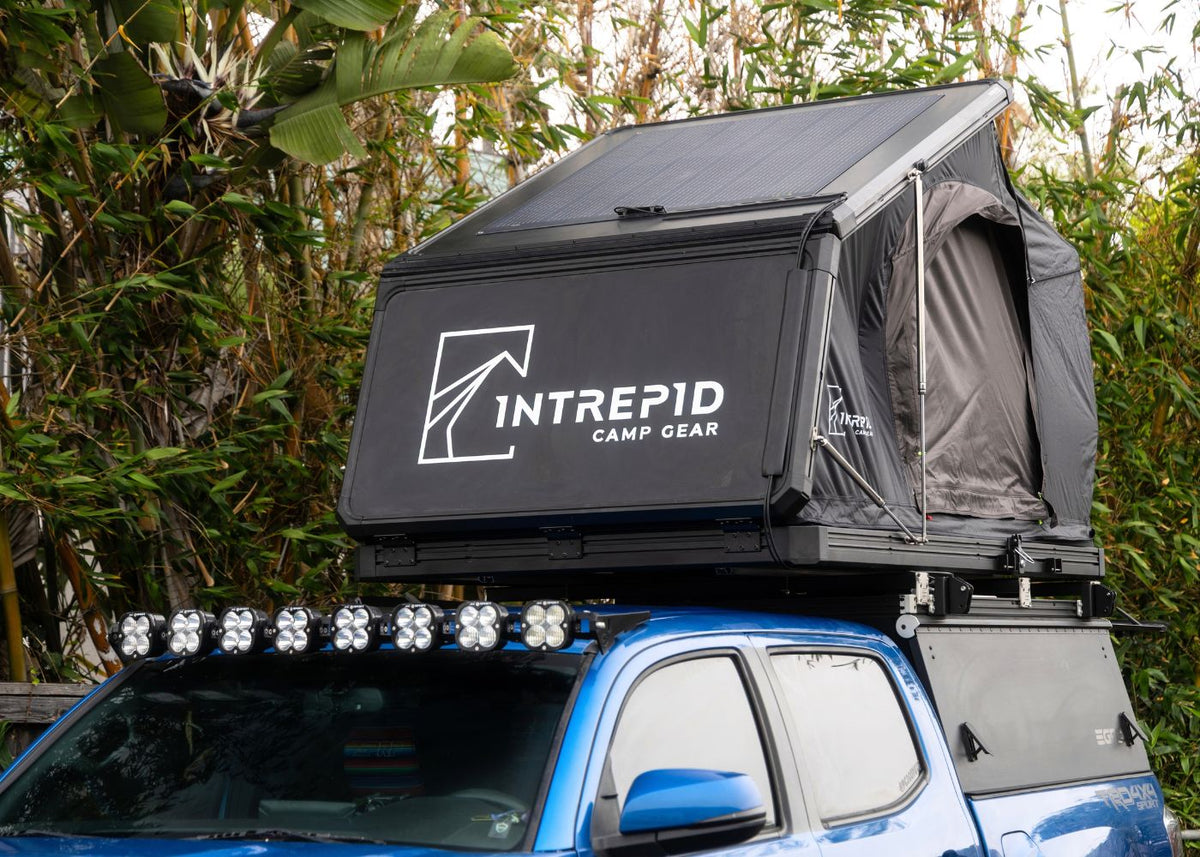
Weekend campers usually benefit from a compact, quick setup. A Geo Solo or Geo 2.0 can provide dedicated sleep space without turning the truck into a permanent expedition build, while features like a hard-shell design, low-profile packed footprint, built-in mattress, and quick deployment help make short trips easier to repeat. Keep the remaining system simple enough that the F-150 still works normally during the week, and pair the tent with focused roof top tent accessories when shade, lighting, or added organization would make camp more comfortable.
Overlanding and Off-Road Travel
Extended routes reward durable mounting, disciplined weight placement, weather readiness, and organized storage. The Geo 2.5 and Geo 2.5 Pro can provide two travelers with more interior room while preserving the bed for water, tools, kitchen equipment, recovery gear, and cargo cases. Overland-focused F-150 owners should prioritize a tent setup with dependable latches, rugged exterior materials, ventilation, and enough interior comfort to support multi-night travel without overbuilding the truck.
Hunting and Fishing Adventures
A roof-mounted sleep system keeps the bed open for coolers, rods, waders, cases, and field equipment. Select a rack height that protects bed access and keeps wet or dirty gear separate from bedding, then use cargo cases to keep smaller equipment organized and easy to reach. Durable tent materials, fast setup, and weather protection are especially useful when early mornings, changing conditions, and gear-heavy days are part of the trip.
Family Camping Setups
The Geo 3.0 Pro offers the greatest sleeping capacity in this Intrepid Camp Gear comparison and is the strongest fit for small families or owners who regularly camp with more than one passenger. Families should still confirm the installed system, deployed footprint, ladder position, and storage plan before choosing the largest option. A larger roof top tent works best when the capacity is used regularly and when accessories such as awnings or storage cases help keep the campsite organized.
Work Truck to Adventure Truck Conversions
The strongest conversion preserves the work the truck already performs. A removable or carefully positioned rack may allow tools and materials to remain accessible, while a compact roof top tent keeps sleeping space separate from the bed. Start with weekday requirements, then add a tent, cargo cases, and roof top tent accessories that do not create constant unloading, clearance problems, or wasted bed space.
Essential Accessories for an F-150 Roof Top Tent Setup
Awnings
An awning adds sheltered space for cooking, changing layers, or waiting out weather. Plan its brackets, deployment side, and clearance alongside the tent so the two systems do not compete for the same rack area.
Bed Storage Systems and Cargo Cases
Intrepid Camp Gear cargo cases can help separate recovery tools, kitchen supplies, clothing, or work equipment. Keep heavier items low and secured in the bed whenever practical, and give frequently used equipment a consistent location.
Recovery Equipment and Trail Gear
Recovery equipment should match the route and vehicle, remain secured during travel, and be accessible without unloading the entire bed. Avoid covering emergency tools with comfort gear. A clean, deliberate storage system is easier to inspect and use when conditions are poor.
Common Mistakes When Choosing a Roof Top Tent for a Ford F-150
Buying a Tent Before Selecting a Rack System
Choose the mounting location and rack geometry first. This avoids discovering that the preferred tent does not work with the bar spacing, opening direction, bed access, or accessory plan.
Choosing a Tent That’s Larger Than Necessary
More sleeping space is not automatically a better system. Select the tent for the people who join most trips, then use an awning and campsite organization to create additional living space when needed.
Ignoring Vehicle Height After Installation
Measure the completed truck, including tires, suspension changes, rack, and closed tent. Keep the final height visible to the driver before entering garages, loading areas, tree cover, and other overhead restrictions.
Not Considering How the Truck Will Be Used Day to Day
A camping system that interferes with work, parking, or regular cargo creates unnecessary friction. Plan how often the tent will remain installed, where it will be stored when removed, and whether the rack supports weekday tasks.
Overlooking Accessory Compatibility
A tent, rack, awning, and case may each be suitable on their own but conflict when combined. Check every interface and leave room for opening panels, latches, ladders, and maintenance access.
Frequently Asked Questions
Can a roof top tent be mounted on an F-150 roof rack?
Yes, when the rack is designed for the exact truck, approved for the intended load, and compatible with the tent mounting hardware.
Do I need a special rack system for a roof top tent on a truck?
You need a rack documented for rooftop tent use with suitable ratings, dimensions, rigidity, attachment points, and hardware clearance.
Is a roof top tent better than a truck bed tent?
It depends on how you use the bed. A rooftop tent preserves bed storage and creates a dedicated sleep space, while a truck bed tent may suit occasional camping when the bed can be emptied.
How many people can sleep in a roof top tent on an F-150?
Sleeping capacity is determined by the tent. The Intrepid Camp Gear options in this guide range from a 1-person tent to a 3-person tent.
Can I still use my truck bed with a roof top tent installed?
Yes. A bed-rack installation can keep the bed available, although usable access depends on rack height, tent position, cargo dimensions, and other accessories.
Build an F-150 Camping System That Works Every Day
Explore Intrepid Camp Gear roof top tents by sleeping capacity, add focused roof top tent accessories, and review vehicle-specific tents for F-150s. The best build protects the truck’s utility, performs reliably at camp, and stays simple enough to use often. Elevated By Design.

Share: