
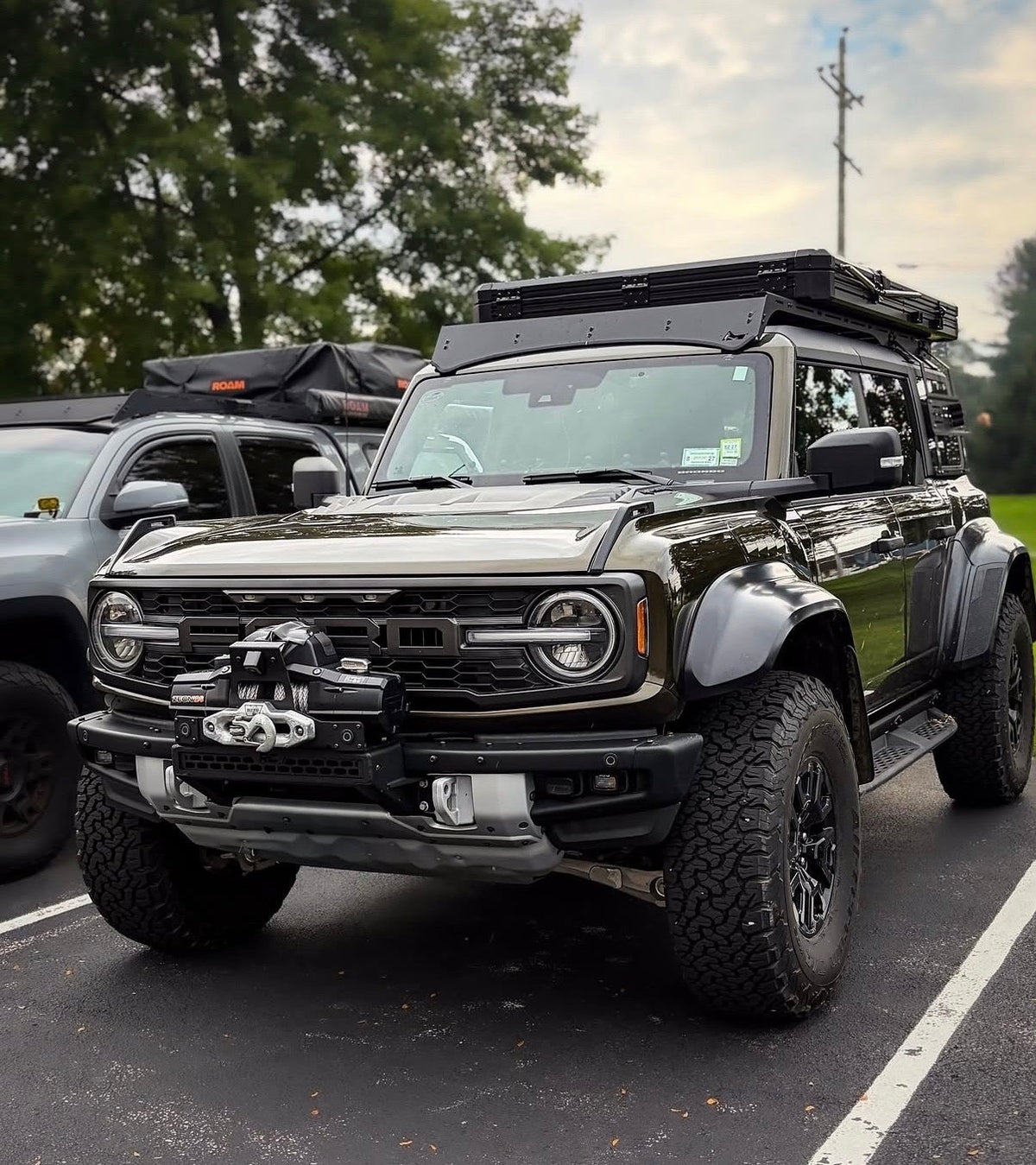
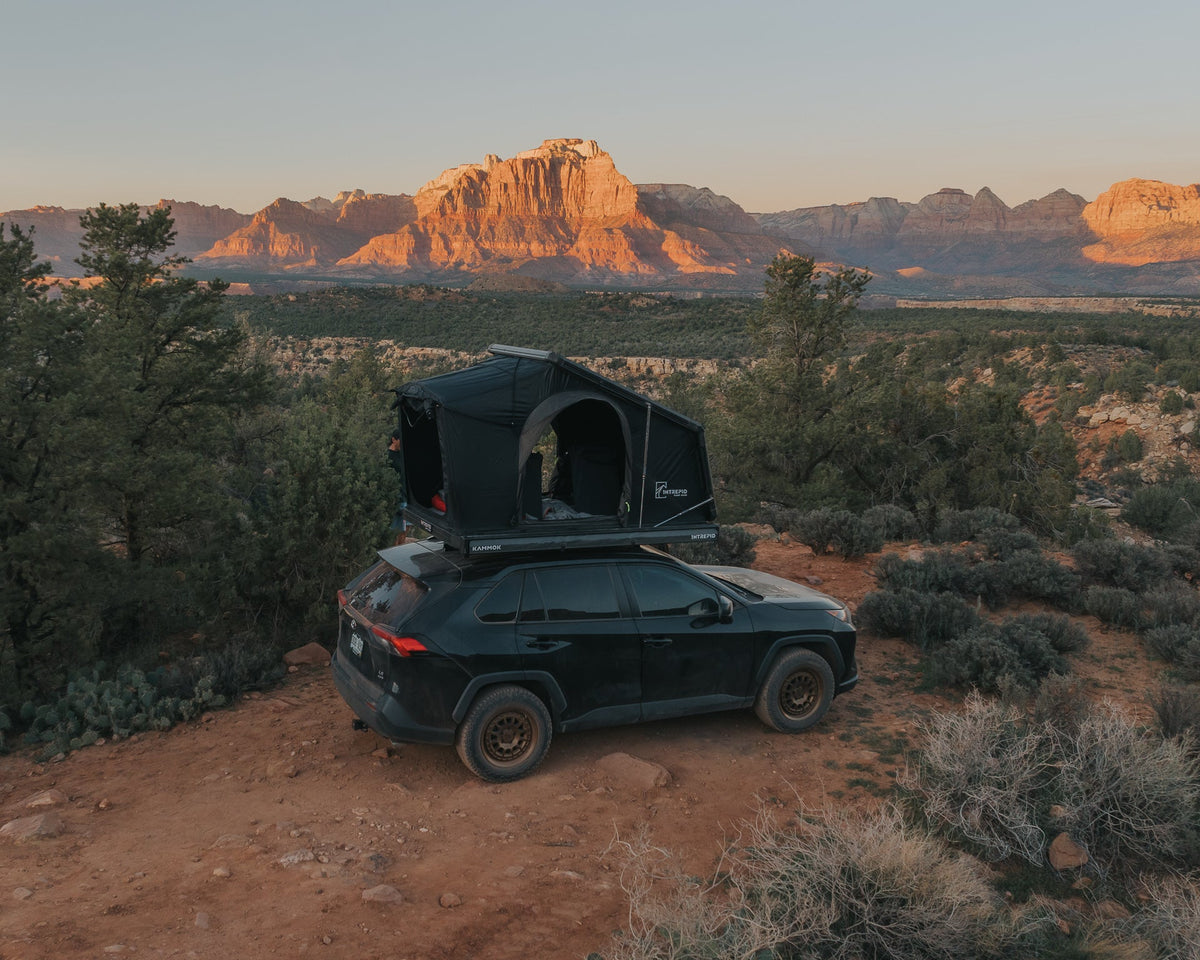
The Ford Bronco was built with adventure in mind. From backcountry trails and dispersed campsites to long overlanding routes, few modern SUVs are as naturally suited for outdoor travel. Pairing a Ford Bronco tent setup with a rooftop tent takes those capabilities even further, creating a comfortable, elevated sleeping platform while keeping interior cargo space available for gear.
For Bronco owners evaluating a rooftop tent, the key isn't simply choosing a tent. It's choosing the right combination of size, weight, sleeping capacity, rack compatibility, and accessories that fit your style of travel. At Intrepid Camp Gear, we recommend focusing on vehicle compatibility first, then selecting the tent that matches how you camp most often.
Can You Put a Roof Top Tent on a Ford Bronco?
Yes. Both the Ford Bronco and Bronco Sport can support a roof top tent when equipped with an appropriate roof rack system and when vehicle load ratings are followed.
The Bronco's off-road-focused design makes it especially attractive for rooftop tent camping. Ground clearance, four-wheel-drive capability, trail technology, and cargo flexibility allow owners to reach campsites that many traditional campers cannot access. A rooftop tent complements those strengths by providing a fast, comfortable sleeping solution that stays off uneven terrain and away from muddy campsites.
Roof Rack Requirements for a Roof Top Tent
The roof rack is the foundation of any Bronco rooftop tent setup. Before installing a Bronco roof tent, verify:
-
Dynamic load rating
-
Static load rating
-
Crossbar spacing
-
Mounting hardware compatibility
-
Overall rack durability
A quality platform rack or heavy-duty crossbar system is typically the best choice for frequent campers and overlanders. Remember that the combined weight of the tent, mounting hardware, bedding, and additional accessories must remain within the rack manufacturer's specifications.
Ford Bronco vs. Bronco Sport Rooftop Tent Compatibility
Ford Bronco
-
Better suited for technical trails and overlanding
-
Greater off-road capability
-
Larger aftermarket rack ecosystem
-
Ideal for larger camping setups
Ford Bronco Sport
-
More compact and daily-driver friendly
-
Excellent for weekend adventures
-
Easier to maneuver in urban environments
-
Typically best paired with lighter RTT options
Whether you're shopping for a Bronco rooftop tent or a Bronco Sport rooftop tent, matching tent weight to vehicle capabilities should be one of your first considerations.
Roof Top Tent Considerations for Your Bronco
Weight & Roof Load Capacity
Weight is often the most important specification Bronco owners should evaluate. A lighter tent may:
-
Improve handling
-
Reduce wind resistance
-
Simplify installation
-
Place less stress on the rack system
For owners who prioritize technical trails and remote backcountry routes, maintaining a lower center of gravity is often beneficial.
Tent Size & Sleeping Capacity
Start with how many people need to sleep comfortably, then choose the tent footprint that gives you enough interior room without taking over the Bronco’s roof. Smaller tents keep the setup lighter and leave more space for cargo cases or recovery gear, while wider two-person options can add comfort without overwhelming the vehicle’s roof setup.
1 sleeper: narrowest footprint for solo travel. If you camp alone and want to keep your Bronco roof setup as flexible as possible, a one-person tent is the most efficient choice. The Geo Solo comfortably sleeps 1 person, with an 88.5"L x 33.5"W x 7"H closed footprint and an 86.5"L x 31.5"W x 51"H interior when open. On a Ford Bronco, this narrower profile can sit cleanly on a roof rack while leaving the most room for other mounted accessories, making it ideal for solo overlanding, short weekend trips, or drivers who want a lighter, more streamlined build.
2 sleepers: compact comfort for couples. For two adults, the priority is finding enough interior width to sleep comfortably without adding unnecessary roof weight or bulk. The Geo 2.0 comfortably sleeps 2 people and measures 88.5"L x 50.5"W x 7"H closed, with an 86.5"L x 48.5"W x 51"H interior when open. On a Bronco, this size offers a strong balance between sleeping space and overall rack footprint, giving couples a dedicated rooftop sleeping area while still keeping the vehicle setup relatively clean and balanced.
2 sleepers plus extra room: more shoulder space for longer trips. If you want more room to stretch out, sleep with a dog, or make space for a child, a 2.5-person tent gives you a wider sleeping platform without jumping all the way to the largest size. The Geo 2.5 fits this middle ground with an 88.5"L x 55"W x 7"H closed footprint and an 86.5"L x 53"W x 51"H interior when open. On a Ford Bronco, it will take up more roof width than a two-person tent, but it still leaves the setup feeling proportional for many full-size Bronco builds.
Prioritize the right fit over maximum size. For Bronco and Bronco Sport owners, the best rooftop tent is the one that matches the vehicle’s roof capacity, rack setup, and how you actually camp. A solo tent keeps the build light and streamlined, while a two-person or 2.5-person option adds more comfort for couples, a small child, or a dog without pushing into an oversized roof setup.
Choosing more tent than your Bronco can comfortably support often results in additional weight, increased wind resistance, and less roof space for accessory storage, so it’s worth balancing sleeping space with overall vehicle performance and rack compatibility.
Ease of Setup & Pack Down
Many Bronco owners move campsites frequently. Quick setup matters. A hard-shell rooftop tent can save valuable time when:
-
Arriving after dark
-
Breaking camp during bad weather
-
Moving between campsites daily
-
Traveling long distances
In each of these situations, the setup process can have a direct impact on how enjoyable and realistic the trip feels. If you are arriving after dark, a faster rooftop tent setup means less time searching for flat ground, unloading loose gear, or trying to stake out a tent by headlamp. If the weather turns, a streamlined pack down helps you get moving sooner without dragging muddy equipment through the Bronco’s interior.
Ease of use also matters on longer overlanding routes where camp is not a fixed destination. When you are moving from one trail system, campground, or dispersed site to the next, a tent that opens and closes quickly makes it easier to stay flexible. Bronco owners can cover more ground, adjust plans based on weather or trail conditions, and spend less time rebuilding camp at every stop.
Intrepid Camp Gear emphasizes functional, easy-to-use equipment designed to help adventurers spend less time setting up and more time enjoying the outdoors.
Four-Season & Weather Protection Features
Bronco owners often camp in highly variable conditions. Look for features such as:
-
Durable shell construction: A strong outer shell helps protect the tent from trail debris, low branches, road vibration, and long highway drives to and from camp. This matters most for Bronco owners who leave the tent mounted for extended periods or frequently drive rough forest roads, rocky access routes, or high-wind mountain passes.
-
Waterproof materials: Waterproof tent fabric and weather-sealed construction help keep the sleeping area dry during rain, wet snow, or heavy overnight condensation. This is especially important on multi-day trips where you may not have the option to fully dry out gear between campsites.
-
Robust latching systems: Secure latches keep the tent closed tightly while driving, helping protect the structure from wind lift, rattling, and accidental movement on rough terrain. They matter most when the Bronco is moving between campsites, traveling at highway speeds, or bouncing through uneven trail sections.
-
Ventilation management: Adjustable windows, vents, and airflow control help reduce condensation, regulate interior temperature, and keep the tent more comfortable overnight. This becomes especially valuable in cold weather, humid climates, or shoulder-season camping when warm air inside the tent can quickly create moisture buildup.
-
Four-season capability: A four-season rooftop tent is designed to support a wider range of weather conditions, from summer heat and sudden rain to colder shoulder-season nights. For Bronco owners who camp beyond fair-weather weekends, this capability creates more confidence when conditions change quickly or when routes move through different elevations and climates.
Whether you're navigating mountain storms or shoulder-season temperatures, weather resistance becomes increasingly important as trips become longer and more remote.
Additional Roof Top Tent & Overlanding Accessories
Cargo Boxes
One of the biggest advantages of a rooftop tent is freeing interior storage space. Adding dedicated cargo cases allows you to organize recovery gear, cooking equipment, seasonal clothing, ski and snowboard equipment, and trail tools. Keeping equipment organized improves efficiency both on the road and at camp.
Awnings
An awning dramatically expands your usable campsite footprint. It can provide shade during hot weather, rain protection, cooking shelter, and additional gathering space. For many Bronco owners, an awning becomes the second-most-used camping accessory after the tent itself.
Roof Rack Platforms
A platform rack offers additional flexibility. When properly configured, it provides mounting space for recovery boards, fuel storage, lighting, cases and gear mounts, and additional camping equipment. This versatility is especially valuable for overlanders completing multi-day routes.
Recovery & Storage Solutions
Broncos are purpose-built for challenging terrain. Supporting equipment can include recovery boards, shovels, tool kits, MOLLE storage systems, and traction devices. A well-organized vehicle helps drivers remain self-sufficient during remote travel.
For a complete setup, Bronco owners should explore Intrepid Camp Gear's collection of roof top tent accessories and purpose-built tents for Broncos.
Why a Roof Top Tent Complements the Bronco
The Bronco already offers exceptional off-road capability. A rooftop tent builds on that foundation by creating a comfortable sleeping platform that travels wherever the vehicle can go.
Compared to traditional ground tents, rooftop tents provide:
-
Faster setup
-
Better campsite flexibility
-
Improved comfort
-
Elevated sleeping positions
-
Cleaner camp organization
For outdoor enthusiasts who view camping as more than an occasional weekend activity, a rooftop tent becomes part of a broader adventure system rather than a standalone piece of gear. That perspective aligns closely with Intrepid Camp Gear's mission to help adventurers find comfort and confidence outdoors through rugged, intentionally designed equipment.
Frequently Asked Questions
Can you leave a rooftop tent mounted year-round?
Yes, many owners keep a rooftop tent mounted year-round. However, regular inspection, cleaning, and proper storage practices can help maximize the life of both the tent and rack system.
Can a Bronco Sport support a roof top tent?
Yes. A Bronco Sport can support a rooftop tent when paired with a compatible rack system and when all manufacturer load ratings are followed.
How much weight can a Ford Bronco roof hold?
The answer depends on the specific Bronco model and roof rack. Always verify both vehicle and rack load ratings before installing a rooftop tent.
Is a Bronco good for car camping?
Yes. The Bronco's off-road capability, cargo flexibility, and strong aftermarket support make it a capable camping and overlanding platform.
Ready to Build Your Bronco Camping Setup?
Explore Intrepid Camp Gear's complete collection of roof top tents, accessories, and vehicle-specific solutions to create a Bronco camping system that is Elevated By Design and built for real adventure.
Share: