
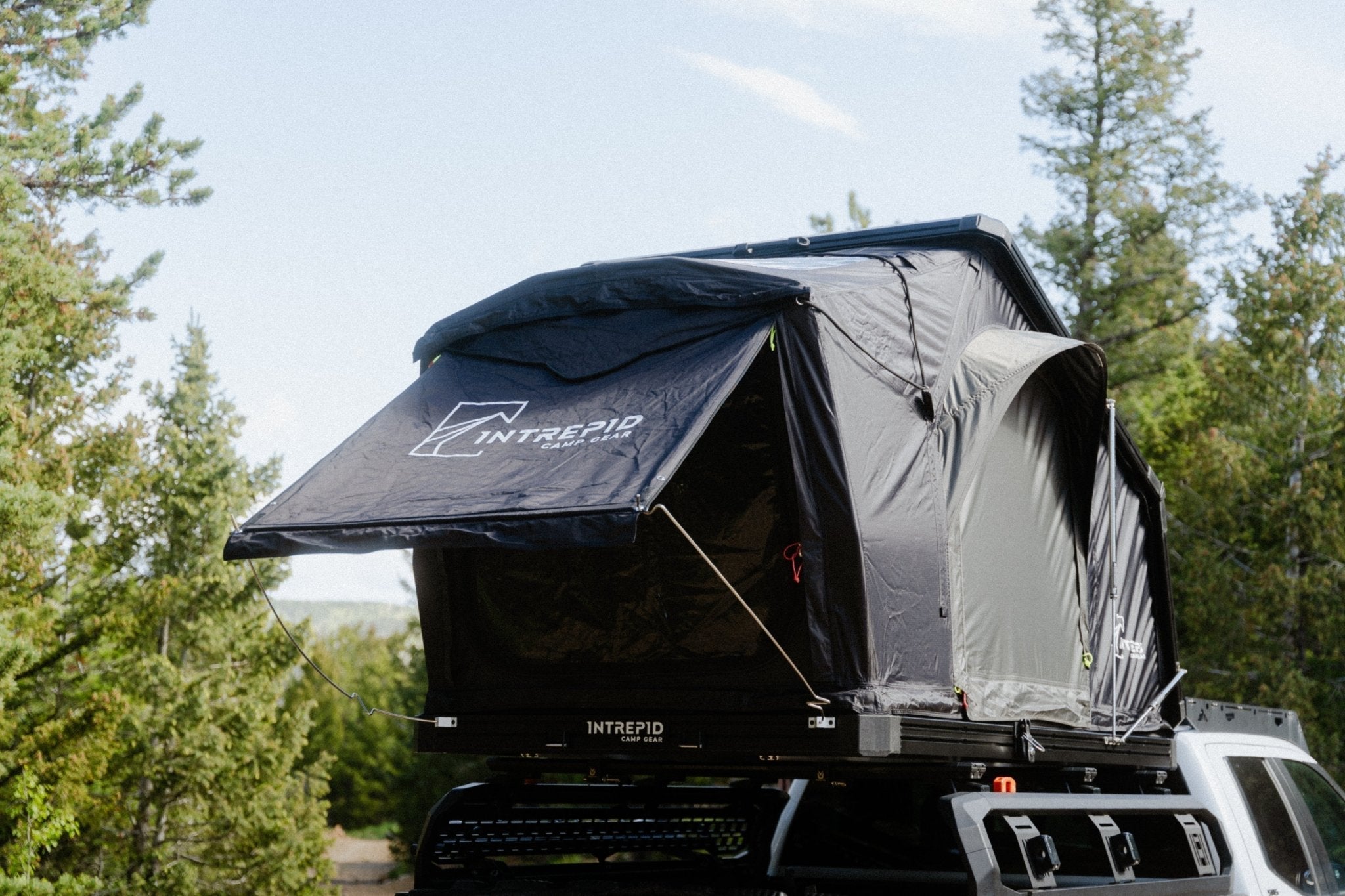
You've been dreaming of your first overlanding adventure. The open road calls, remote campsites beckon, and you're ready to answer—until you see rooftop tent costs. A quality rooftop tent can easily cost $2,000 to $5,000 or more, leaving many adventurers wondering if they're being overcharged for what appears to be a tent on a platform.
The truth is more complex than it appears. While some companies do inflate prices through marketing gimmicks and white-labeled products, genuine rooftop tent manufacturers invest heavily in research, development, and premium materials to create products that can withstand the rigors of outdoor exploration.
Understanding what drives rooftop tent pricing will help you make an informed decision and avoid paying premium prices for mediocre products. More importantly, it will help you identify the companies that are actually innovating versus those simply rebranding existing products.
Why Premium Rooftop Tents Cost More: Engineering & Testing
Premium rooftop tents require extensive engineering that goes far beyond traditional ground tents. These mobile shelters must withstand highway speeds, extreme weather conditions, and constant vibration while remaining lightweight enough not to compromise vehicle performance.
Structural Engineering Behind Hardshell Rooftop Tents
Every component must be precisely calculated for wind resistance, load distribution, and durability. The mounting system alone requires extensive testing to ensure it won't fail during travel or cause damage to your vehicle. Engineers spend months perfecting hinge mechanisms, support structures, and weatherproofing systems that work reliably in diverse conditions.
Premium Rooftop Tent Materials & R&D
Quality manufacturers invest heavily in sourcing and testing materials testing rooftop tent materials. Premium fabrics must resist UV degradation, maintain waterproofing over thousands of miles, and provide insulation without adding excessive weight. Aluminum frames require specific alloys that balance strength with weight considerations, while hardware must resist corrosion in marine environments.
Rooftop Tent Testing, Safety & Certification
Legitimate manufacturers subject their products to rigorous testing protocols. Wind tunnel testing, durability cycles, weatherproofing verification, and safety certifications all add significant costs to rooftop tent development. These tests ensure your tent won't fail when you're miles from civilization.

Why Cheap Rooftop Tents Cost Less (and Where They Cut Corners)
The overlanding market has exploded in recent years, attracting companies looking to capitalize on demand without investing in genuine innovation. Many brands source identical rooftop tents from overseas manufacturers, add their logo, and mark up prices significantly.
The White-Label Rooftop Tent Problem
White-labeling allows companies to sell identical products under different brand names with minimal investment in research or development. In our last blog article we highlight the importance of understanding what white labeling is and how it effects the overlanding industry: What is White Labeling?
Budget Rooftop Tents and Material Tradeoffs
Budget rooftop tent manufacturers often cut costs through inferior materials, simplified designs, and minimal testing. While the initial purchase price might seem attractive, these tents frequently fail in challenging conditions, requiring replacement or expensive repairs.
Marketing Costs vs. Rooftop Tent Engineering
Some companies invest more in social media presence and influencer partnerships than actual product rooftop tent development. Their higher prices reflect marketing costs rather than superior engineering or materials.
What Drives the Cost of Premium Rooftop Tents
Genuine manufacturers justify higher rooftop tent prices through tangible improvements in design, materials, and user experience. Understanding these factors helps distinguish between legitimate premium products and overpriced marketing exercises.
Advanced Materials in Hardshell Rooftop Tents
Premium hardshell rooftop tents utilize cutting-edge fabrics that offer superior performance. Ripstop materials resist tearing, while specialized coatings provide long-lasting waterproofing. High-grade aluminum alloys reduce weight while increasing strength, and corrosion-resistant hardware ensures longevity in harsh environments.
Rooftop Tent Manufacturing and Quality Control
Premium rooftop tent manufacturers maintain strict quality control throughout production. Precise tolerances ensure proper fit and function, while comprehensive inspections catch defects before products reach customers. These standards require investment in skilled labor and quality control systems.
Intrepid's Approach to Premium Rooftop Tent Engineering

While many companies rely on white-labeled products, genuine innovators like Intrepid Camp Gear take a different approach. Instead of sourcing existing designs and adding markup, they engineer premium rooftop tents specifically for the unique challenges of overlanding adventures.
Proprietary Rooftop Tent Engineering
Intrepid develops their own rooftop tent designs from the ground up, focusing on practical improvements that matter to real adventurers. Their tents offer 36% more livable space than traditional clamshell designs while maintaining the same low profile and hassle-free breakdown that overlanders demand.
User-Focused Rooftop Tent Innovation
Rather than following industry trends, Intrepid identifies genuine user needs and engineers
solutions, including rooftop tent accessories that support real-world setups. This approach results in products that offer tangible benefits rather than marketing-driven features that look impressive but don't improve the camping experience.
Direct Investment in Rooftop Tent Development
By avoiding the white-labeling trap, Intrepid invests development resources into actual rooftop tent improvement rather than brand positioning. This approach ensures that price premiums reflect genuine engineering advances rather than marketing costs.
How to Decide Whether a Rooftop Tent Is Worth the Cost
Understanding rooftop tent cost and pricing helps you evaluate options and avoid overpaying for inferior products. Focus on companies that demonstrate genuine innovation rather than those relying solely on brand positioning.
Research Where Rooftop Tents Are Made
Investigate whether companies design their own rooftop tent products or source them from overseas manufacturers. Companies that invest in proprietary engineering typically offer better long-term value despite higher initial costs.
Compare Rooftop Tent Design Claims
Look for specific, measurable rooftop tent improvements rather than vague marketing language. Genuine innovations should address real problems with quantifiable solutions.
Calculate Long-Term Rooftop Tent Value
Premium rooftop tent materials and engineering often justify higher initial costs through improved durability, performance, and user experience. Calculate total cost of ownership rather than focusing solely on purchase price.
Rooftop Tent Cost FAQs
Are expensive rooftop tents worth the investment?
Quality rooftop tents with genuine engineering improvements offer better performance, durability, and user experience than budget alternatives. However, price alone doesn't guarantee quality—research the company's approach to development and manufacturing.
How can I identify white-labeled products?
Look for identical designs sold under multiple brand names, lack of proprietary engineering details, and companies that focus primarily on marketing rather than product development. Genuine manufacturers can explain their unique design decisions and innovations.
What should I prioritize when choosing a rooftop tent?
Focus on companies that demonstrate genuine innovation, use premium materials, and offer specific solutions to overlanding challenges. Consider your specific use cases and choose features that provide real value for your adventures.
Final Take: Are Expensive Rooftop Tents Worth It?
Premium rooftop tent pricing reflects the complex engineering, advanced materials, and rigorous testing required to create products that enhance your overlanding experience. While some companies exploit market enthusiasm through white-labeling and inflated pricing, genuine innovators justify their costs through measurable improvements in performance, durability, and user experience.
The key to smart purchasing lies in distinguishing between legitimate premium products and overpriced marketing exercises. Focus on companies that invest in proprietary engineering, demonstrate genuine innovation, and offer specific solutions to real overlanding challenges.
Your investment in a quality rooftop tent opens doors to incredible adventures. Choose wisely, and that premium price will pay dividends through years of reliable performance in the world's most beautiful and remote locations.

Share: