

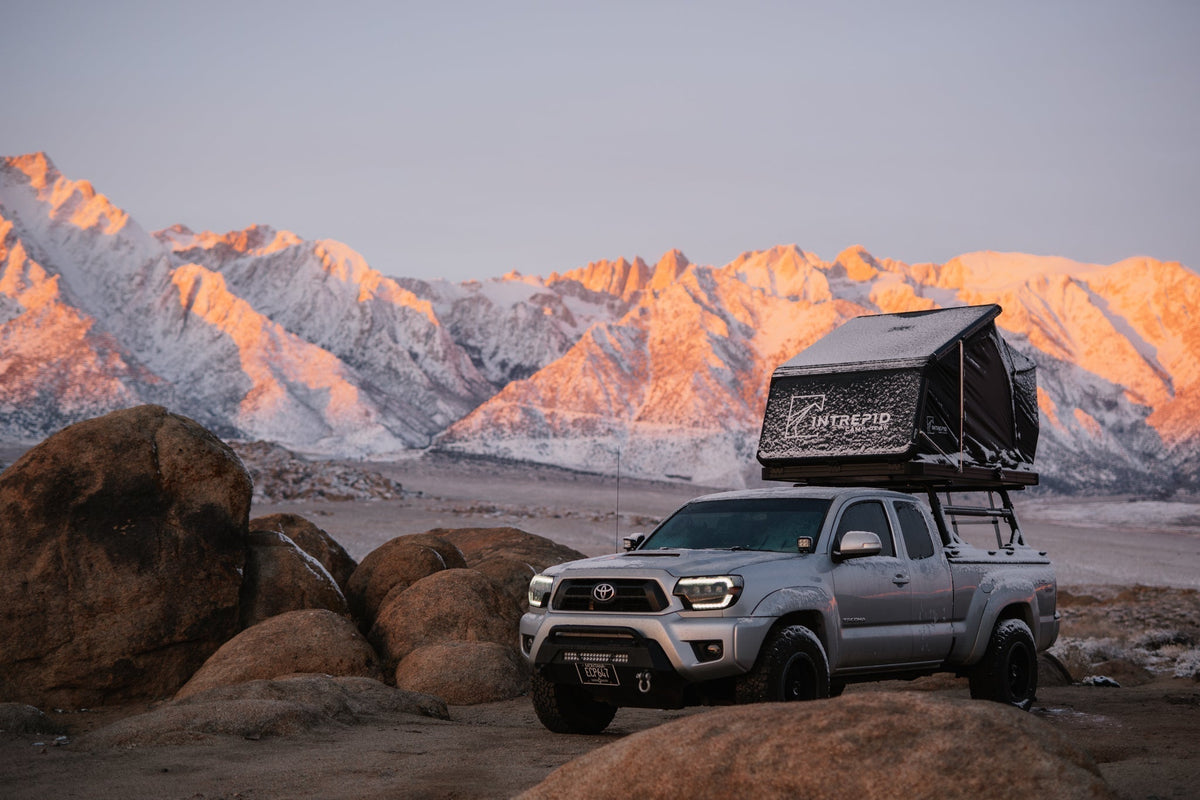
Have you ever felt the pull of the open road, the desire to go beyond the pavement and discover what lies over the horizon? If you're nodding along, you might have the spirit of an overlander. This growing movement is all about self-reliant vehicle travel to remote destinations, where the journey itself is the main goal.
This guide will explain what overlanding is all about. We'll explore its core principles and introduce the essential gear that makes these epic adventures possible. Get ready to learn how you can turn your vehicle into the ultimate exploration machine and start planning your own off-grid journey.
What is Overlanding?

Overlanding is vehicle-based, self-reliant adventure travel to remote destinations where the journey is the primary purpose. It's not about conquering extreme obstacles like rock crawling, nor is it a race to a finish line. Instead, overlanding is about exploration, cultural immersion, and embracing the freedom of the open road. Think of it as backpacking, but with a vehicle as your basecamp.
An overlanding trip can last anywhere from a weekend to several years, spanning countries and continents. The key is self-sufficiency. Overlanders carry everything they need to live, eat, and sleep comfortably, no matter how far they are from the nearest town. It’s a test of preparedness, resourcefulness, and the desire to connect with the world in a more intimate way.
What is the Difference Between Camping and Overlanding?
Camping and overlanding both involve outdoor travel, but camping focuses on staying in one place, while overlanding emphasizes vehicle-based travel and self-reliant exploration.
Camping is typically destination-focused. Campers travel to a specific campsite, campground, or park and set up a temporary base. The experience centers on staying in one place, often with access to amenities like restrooms, water, and marked sites. Camping trips are usually short and require minimal vehicle preparation.
Overlanding is journey-focused. Overlanders use their vehicle to travel through remote areas where the route itself is the experience. Trips often involve moving daily, camping in different locations, and relying entirely on carried supplies. Overlanding emphasizes self-sufficiency, navigation, and preparedness rather than comfort or convenience.
In short, camping is about where you stay, while overlanding is about how you travel. Camping can be part of an overlanding trip, but overlanding involves extended vehicle travel, off-grid planning, and independence from established infrastructure.
What Is the Difference Between Off-Roading and Overlanding?
While both off-roading and overlanding take place off pavement, off-roading centers on vehicle capability and obstacles, whereas overlanding is about extended travel, route planning, and off-grid living.
Off-roading focuses on vehicle capability and technical challenges. The goal is to navigate difficult terrain such as rocks, mud, steep inclines, or obstacles. Trips are usually short, often lasting a few hours or a day, and prioritize performance, skill, and vehicle modifications over long-distance travel or comfort.
Overlanding focuses on travel and self-reliance. The goal is to explore remote destinations over long distances, where the journey itself is the experience. Terrain can range from easy dirt roads to challenging trails, but overlanding emphasizes route planning, camping, and carrying everything needed to live off-grid for multiple days or weeks.
In simple terms, off-roading is about conquering obstacles and tackling tough terrain, while overlanding is about covering distance and exploring remote places. Off-roading can be part of an overlanding trip, but overlanding involves extended travel, overnight stays, and a greater emphasis on preparation and independence.
Why People Love Overlanding
So, what's the appeal? Why are more people trading resort vacations for dusty trails and nights under the stars?
- Unmatched Freedom: Overlanding offers the ultimate freedom to explore at your own pace. There are no rigid itineraries or hotel check-out times. You can follow a river, chase a sunset, or spend an extra day in a place that captivates you.
- Deep Connection with Nature: Getting off the beaten path allows you to experience nature in its purest form. You'll witness stunning landscapes, encounter wildlife, and wake up to views that few people ever get to see.
- Building Self-Reliance: Successfully navigating a remote journey builds incredible confidence. You learn to solve problems, rely on your skills, and trust your equipment. Every challenge overcome is a rewarding experience.
- Creating Lasting Memories: From cooking a meal over a campfire to navigating a tricky mountain pass, overlanding is full of unforgettable moments. These are the stories you'll be telling for years to come.
Essential Overlanding Gear

While the spirit of adventure is the most important part of overlanding, having the right gear is crucial for safety, comfort, and self-sufficiency. A well-equipped vehicle isn't just a mode of transport; it's your home, kitchen, and lifeline.
Rooftop Tents
Your shelter is one of the most critical pieces of gear. While ground tents are an option, rooftop tents (RTTs) have become an overlanding staple for good reason. They are engineered for easy use and durability, making your life off-grid more comfortable and efficient.
- Quick Setup and Takedown: Modern RTTs can be deployed in minutes, letting you set up camp quickly after a long day of driving. This hassle-free breakdown means you can hit the road faster in the morning.
- Comfort and Security: Sleeping on top of your vehicle keeps you off the cold, uneven ground and away from critters. Many RTTs, like the Intrepid Camp Gear Geo 2.5, come with thick, comfortable mattresses for a great night's sleep.
- Durability: Built to withstand harsh weather, a quality RTT will keep you dry and secure, no matter what Mother Nature throws at you. Some models offer significantly more livable space than traditional clamshell tents while maintaining a low profile for better aerodynamics.
Cargo and Storage
Staying organized is key to a smooth overlanding trip. You need a smart way to store your food, cooking supplies, clothing, and tools.
- Cargo Cases: Durable, weather-resistant cargo cases are perfect for protecting your gear from dust, water, and bumps along the trail. They can be mounted on your roof rack or secured inside your vehicle. Some examples of this are the ITX 190 or the ITX 120 cargo cases from Intrepid Camp Gear.
- Drawer Systems: Installing a drawer system in the back of your SUV or truck bed provides easy, organized access to your most-used items.
Recovery Gear
Even the most experienced overlanders can get stuck. Being prepared for recovery situations is non-negotiable.
- Traction Boards: These are essential for gaining traction in sand, mud, or snow. Simply place them under your tires, and you can often drive right out of a tricky spot.
- Winch: A winch mounted to your vehicle's front bumper provides the power to pull yourself or another vehicle out of serious trouble.
- Recovery Kit: A basic kit should include a snatch strap, tree saver, shackles, and a pair of heavy-duty gloves. Knowing how to use this gear safely is just as important as having it.
Power and Navigation & Communication while Overlanding
Staying connected on and off course requires a reliable power source and navigation tools.
- Dual Battery System: This setup allows you to run accessories like a fridge, lights, and chargers without draining your vehicle's starting battery.
- GPS and Maps: While a dedicated GPS unit is great, always carry physical maps of the area you're exploring as a backup. Technology can fail, but a paper map won't.
- Satellite phones: For remote locations, a satellite phone ensures you can communicate in emergencies when cell service is unavailable.
-
How Do You Find Places to Camp While Overlanding?
Overlanders find places to camp by researching public lands, using navigation tools, and planning routes in advance. Camping locations are often off-grid and outside traditional campgrounds, so preparation is key.
-
Public lands: National forests, BLM lands, and other public areas often allow dispersed camping outside designated campgrounds. Always check local regulations before setting up.
-
Offline navigation apps and maps: Tools like Gaia GPS, AllTrails, or offline maps help you identify legal camping areas, trails, and roads—even without cell service.
-
Established campgrounds: When traveling through popular regions or needing amenities like water, restrooms, or trash disposal, public or private campgrounds are a reliable option.
-
Private land access: In areas with limited public land, overlanders may camp on private property with permission or via booking platforms.
Regardless of location, responsible overlanders follow Leave No Trace principles, respect local regulations, and avoid camping in restricted or environmentally sensitive areas.
Quick, Beginner-Friendly Overlanding Checklist
If you’re new to overlanding, it’s easy to think you need a fully built vehicle and thousands of dollars in gear to get started. The truth is, overlanding is about preparation and self-reliance, not extremes. This checklist covers the core essentials we’ve previously mentioned to help you start safely and confidently.
-
A reliable vehicle is the foundation of overlanding. Most beginners start with a stock SUV or truck that is well maintained and equipped with all-terrain tires.
-
Shelter for sleeping is essential for overnight travel. This can be a ground tent or a rooftop tent, which offers faster setup and keeps you off uneven terrain.
-
Water storage ensures access to drinking, cooking, and cleaning water when traveling far from services. Portable water containers or onboard tanks are commonly used.
-
Food and a cooking system allow you to remain self-sufficient. A camp stove, basic cookware, and simple food storage are enough for most beginner trips.
-
Storage and organization help protect gear and keep your vehicle efficient. Cargo boxes, bins, or drawer systems make equipment easier to access and manage.
-
Basic recovery gear prepares you for common obstacles. Traction boards, recovery straps, shackles, and gloves are considered essential for sand, mud, or snow.
-
Navigation tools keep you on course without cell service. Offline GPS apps, dedicated GPS devices, and paper maps provide reliable route planning and backup.
-
Power and charging support essential electronics. Portable power stations or dual-battery systems prevent draining your vehicle’s main battery.
-
Emergency and safety equipment is critical for remote travel. A first-aid kit, emergency communication device, flashlight, and basic tools should always be carried.
Start Your Overlanding Journey
Overlanding is more than just a trip; it's a lifestyle that embraces adventure, independence, and the beauty of the unknown. It’s about challenging yourself and discovering just how capable you are. The right gear makes it possible to explore the next frontier of camping with confidence and ease.
Ready to gear up for your own off-grid adventure? Explore our premium rooftop tents, engineered for effortless use and rugged durability. Your next great journey is waiting.


Share: